
What can I say? After several years of pain, 9 sessions with Adam have restored my faith in recovery. Always professional, the treatment has worked like a charm and I have a new quality of life. Thank you so much Adam For anyone doubtful of physiotherapy, these is definitely the place to come! 10 stars if they were available!
← Back to All Articles
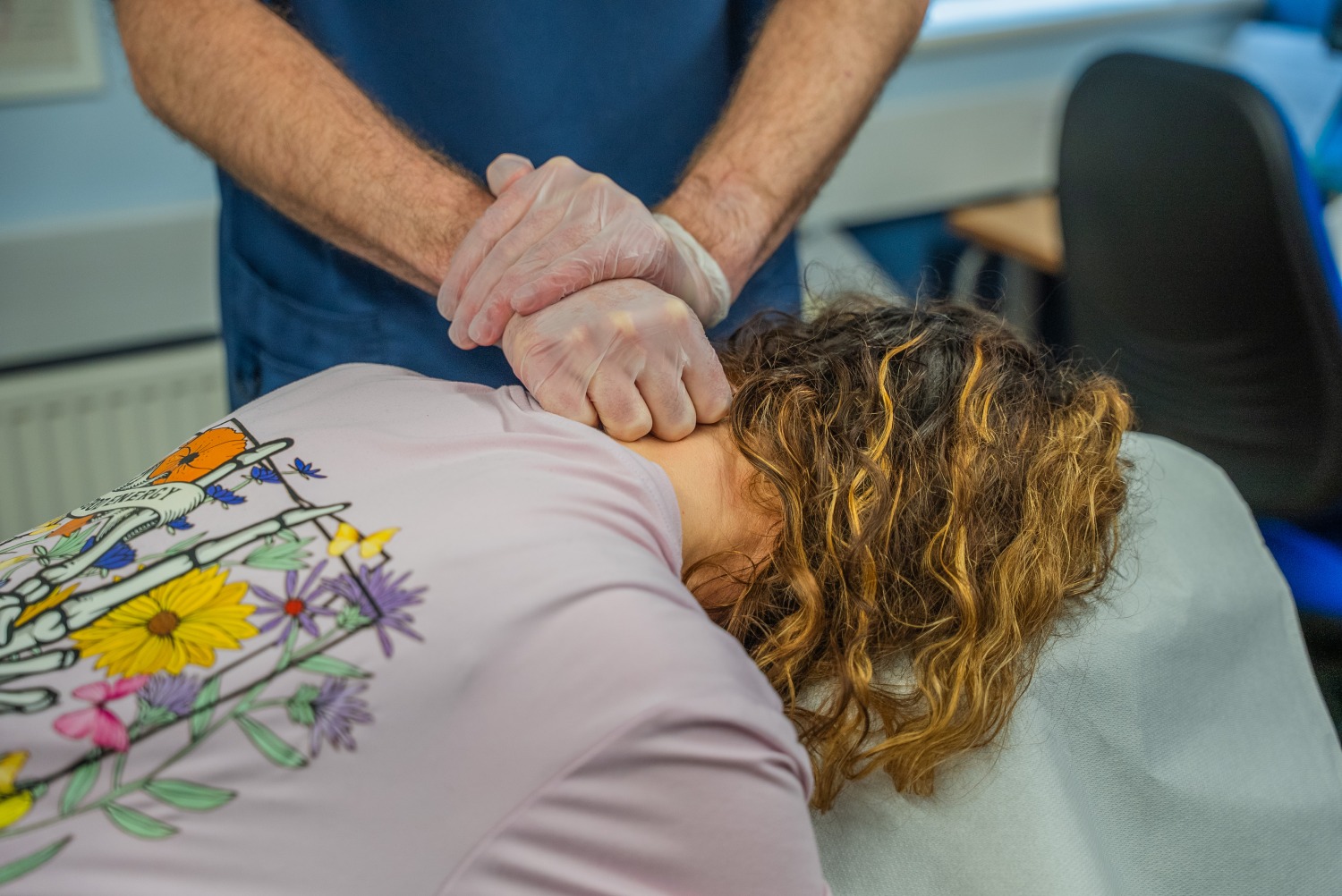
Cervical Osteoarthritis (Neck OA): Why It Happens and How to Manage It
Neck stiffness, reduced movement, and persistent aching are common complaints, especially as we get older. One of the most frequent causes is cervical osteoarthritis, also known as cervical spondylosis. This condition develops gradually over time and, while it is a normal part of ageing, it can begin to affect daily comfort and mobility if not managed properly.
But what exactly causes neck OA, and more importantly, what can you do about it?
Why Does Neck OA Cause Pain?
Cervical osteoarthritis is caused by age-related changes in the joints and discs of the neck. Several factors contribute to the symptoms:
1. Joint Wear and Tear
Over time, the cartilage that cushions the joints begins to wear down, leading to stiffness and discomfort during movement.
2. Reduced Disc Height
The discs between the vertebrae lose water content and become thinner, reducing shock absorption and increasing joint stress.
3. Bone Spur Formation
The body may form small bony growths, called osteophytes, which can restrict movement or irritate nearby tissues.
4. Muscle Weakness and Stiffness
Reduced activity or prolonged sitting can weaken the muscles that support the neck, increasing strain on the joints.
How to Manage Cervical Osteoarthritis
Although these changes cannot be reversed, the symptoms can be effectively managed with the right approach.
1. Keep Moving - Activity Is Essential
Movement is one of the most effective ways to manage neck OA.
Regular activity:
- Keeps joints lubricated
- Reduces stiffness
- Strengthens supporting muscles
Try:
- Gentle neck mobility exercises
- Regular walking
- Low-impact activities such as yoga or Pilates
- Exercises prescribed by your physiotherapist
2. Improve Neck Strength and Flexibility
Strengthening and stretching exercises help support the cervical spine and improve movement.
Focus on:
- Postural muscles in the upper back and shoulders
- Gentle neck stretches
- Controlled strengthening exercises
Consistency is key. Small amounts daily are more effective than occasional intense sessions.
3. Stay Active During the Day
Long periods of sitting, especially with screens, can worsen symptoms.
Tips:
- Take breaks every 30 to 45 minutes
- Change positions regularly
- Adjust your workstation to reduce strain
Movement variety is more important than perfect posture.
4. Use Heat to Reduce Stiffness
Heat can be very effective in relieving symptoms of neck OA.
Options include:
- Warm showers
- Heat packs or hot water bottles
- Heated wraps
Heat helps relax muscles and improve blood flow, reducing discomfort.
5. Manage Flare-Ups Effectively
Symptoms may come and go. During flare-ups:
- Keep moving gently and avoid complete rest
- Use heat therapy
- Reduce aggravating activities temporarily
Gradually return to normal activity as symptoms settle.
6. Maintain a Healthy Lifestyle
General health plays a role in joint health.
Focus on:
- Regular physical activity
- Balanced diet
- Good sleep habits
- Stress management
These factors can influence pain levels and recovery.
7. Seek Physiotherapy Support
Physiotherapy is one of the most effective treatments for cervical osteoarthritis.
A physiotherapist can help with:
- Personalised exercise programmes
- Hands-on treatment to improve mobility
- Education to manage symptoms confidently
- Long-term strategies to prevent worsening
The Takeaway
Cervical osteoarthritis is a common and manageable condition. While structural changes in the neck are a natural part of ageing, pain and stiffness do not have to limit your life.
A combination of movement, strengthening, lifestyle adjustments, and physiotherapy support can help you stay mobile, reduce pain, and maintain your quality of life.
If you are experiencing ongoing neck discomfort, early guidance can make a significant difference.